- PRODUCTS
- Security Platform
- BioStar X | On-Prem SecurityNEW
- BioStar Air | Cloud Security
- BioStar 2
- Access Control
- Access Control Unit
- Biometric Readers
- RFID Readers
- Mobile Credential
- Peripherals
- Wireless Door Locks
- SOLUTIONS
- SUPPORT
- ABOUT
- device_hubHUB




- Blogs & Articles


In a World of Complex Systems, Support Shapes the Decision
Access control systems have never been simple.
Even in earlier generations, deployments required careful design, technical expertise, and a fair amount of trust. The technology was new, the stakes were high, and one of the primary differentiators for decision-makers was confidence that the system would work as intended.
That hasn’t changed — but the context has.
Today’s access control environments are not just complex; they’re deeply interconnected. Readers connect to platforms, platforms connect to cloud services, and those systems tie into video, identity, IT infrastructure, and operational workflows that continue to evolve long after installation.
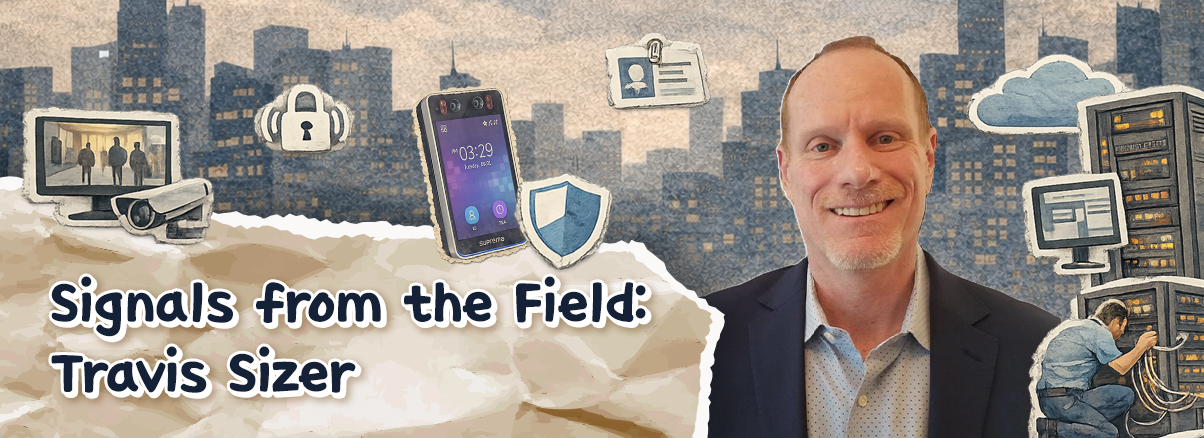
According to Travis Sizer, Suprema’s Field Sales Engineer, that added layer of complexity is quietly reshaping how decisions get made.
“The technology itself is still expected to perform. But what decision-makers are now weighing just as heavily is the level of support and problem-solving they’ll have from the manufacturer as that technology becomes embedded in an increasingly complex ecosystem,” says Sizer.
How Buyer Questions Have Changed
“They’re not asking whether the technology works,” he explains. “They’re asking how it’s going to behave once it’s connected to everything else — and whether we’re going to be there to support them through the transition.”
Those conversations tend to happen well before a purchase is made. Customers want to walk through system design, understand integration paths, and surface edge cases early — not because they doubt the technology, but because they recognize how much complexity now surrounds it.
And, they’re thinking far beyond the moment of installation. Buyers are planning for what happens when something changes: when a new system is added, a requirement shifts, or an unexpected interaction surfaces months down the line. In those moments, the question isn’t about product capability; it’s about whether the manufacturer will still be present to help navigate what comes next.
Meeting the Customer Where They’re At
Sizer is quick to point out that meeting that expectation isn’t about a single program or touchpoint. It’s about how a company shows up across the entire lifecycle, not only before a system is purchased, but well beyond implementation, into sustained operations.
From his vantage point, this starts with early technical engagement. Suprema’s field engineering team is often brought in well before a decision is finalized, working through system design, integration paths, and edge cases so customers understand not just what they’re buying, but how it will behave once it’s connected to everything else.
“That upfront work matters,” Sizer says. “It gives customers a clearer picture of what their environment will actually look like once everything’s in place.”
That engagement doesn’t end at the sale. As deployments move forward, Sizer and his counterparts stay involved, answering detailed technical questions, walking through configurations, and helping customers adjust as real-world conditions inevitably differ from original plans. Suprema’s role, he explains, is to help customers navigate those changes without losing momentum.
Training plays a similar role. Rather than treating education as a one-time event, Suprema offers both structured sessions and tailored, scenario-specific walkthroughs that reflect how customers actually deploy their systems. In many cases, Sizer sees customers asking to go deeper not because something has gone wrong, but because they want to be prepared.
“We’ll have customers say, ‘This is a good time to really get into the weeds,’” he notes. “They want to understand how everything fits together before they’re forced to react to it later.”
That desire reflects a broader shift in mindset: success isn’t defined by installation alone, but by how well a system is understood and supported as it evolves.
The Signal from the Field
As access control systems become more complex and interconnected, decision-makers are factoring in not just the technology itself, but the level of support and problem-solving they’ll have over time. From Sizer’s perspective, that reality is reshaping the market. In a future defined by complex systems, the ability to navigate that complexity has become a decisive part of the decision.

